Green Shield's composite is the premier choice for homes with slipery conditions.
Green Shield Anti-Slip Deck Boards
- Rice Hull Composite Core
- Anti-slip Coating
- EPL Resin Layer
- Scratch Resistant
- Low Maitenence
- Mold, Mildew, and rot resistant
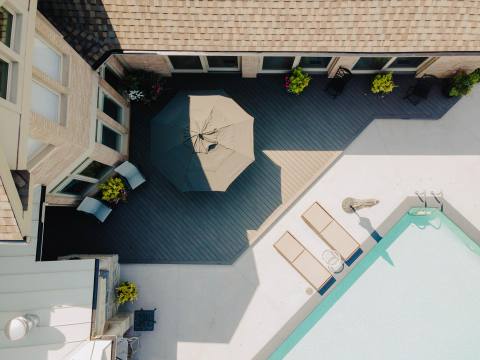
Green Shield's composite is the premier choice for homes with slipery conditions.
Safety is a primary concern for homeowners, particularly regarding the slip resistance of composite decking when wet. As America’s #1 Deck Builder, Green Shield prioritizes high-performance engineering to ensure material choice provides a secure outdoor surface. This guide explores the technology behind superior traction and why Green Shield remains the safest choice for a forever home.
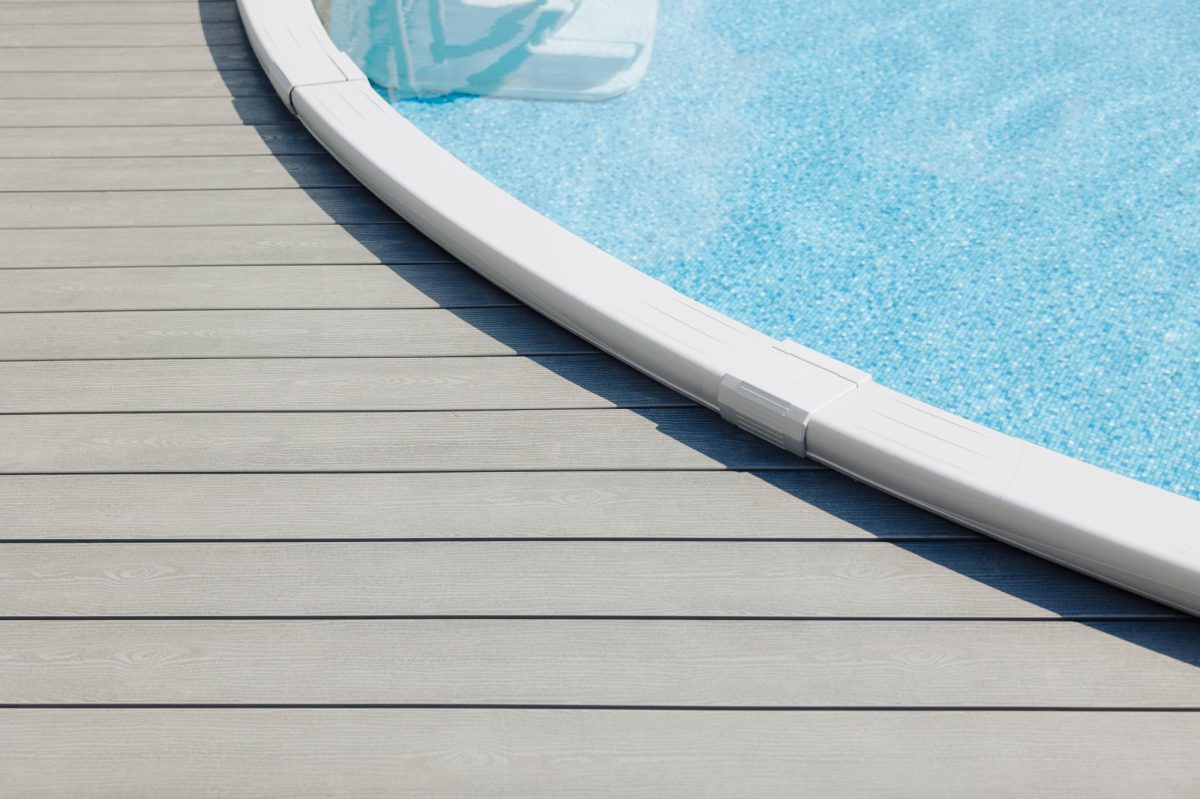
Traditional composite decking is often manufactured using wood shavings or fibers mixed with plastic. While this provides a wood-like appearance, it introduces a significant structural flaw: wood is an organic food source. When moisture penetrates the plastic shell of these boards, the internal wood fibers absorb it, creating a damp environment where algae and mold can thrive. As algae grows within and on the surface of the boards, it creates a slick, slimy layer that significantly reduces traction, especially when wet.
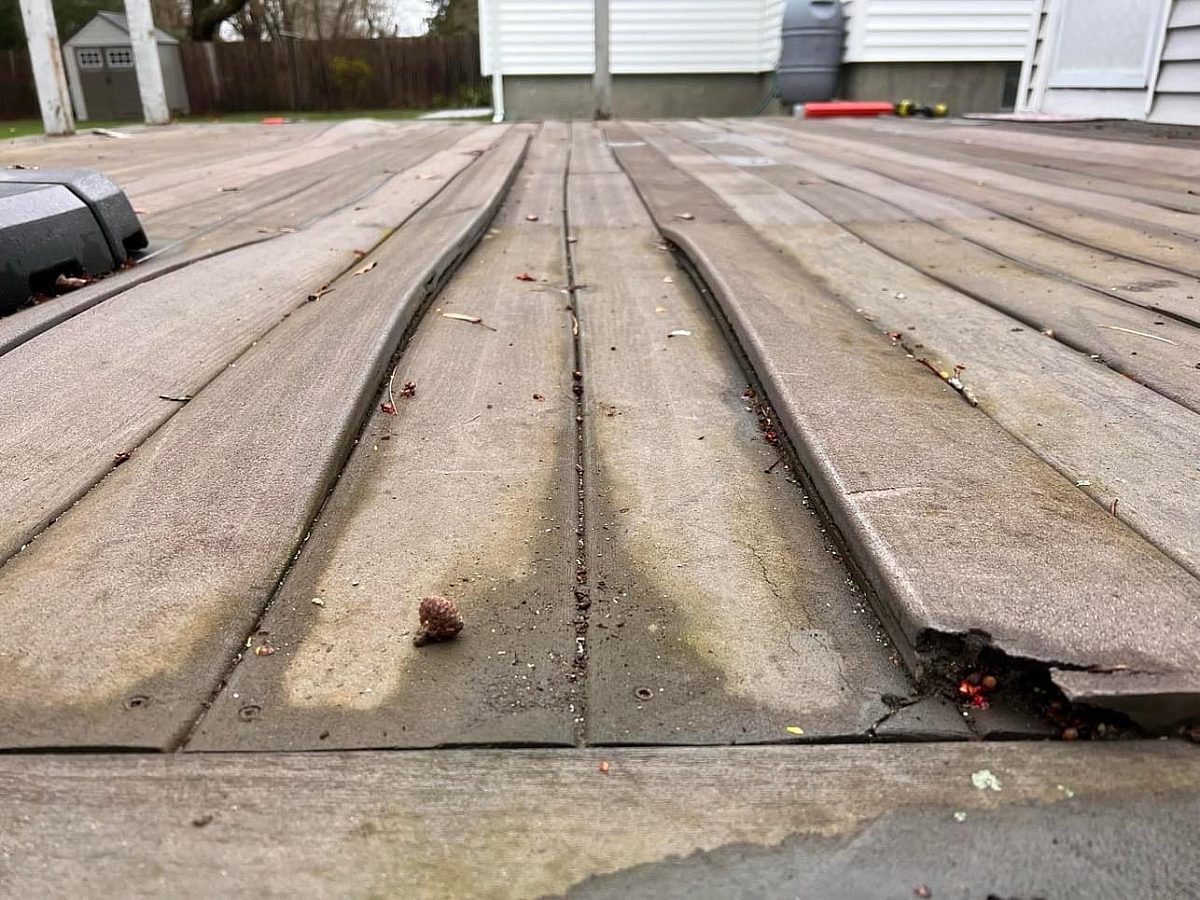
Low-grade materials smooth out over time. Many composite boards lose their texture and become slick when wet, creating a safety hazard for homeowners. When common wear from foot traffic and pets is added to the mix, traditional composite decks often develop dangerously slippery zones during bad weather.
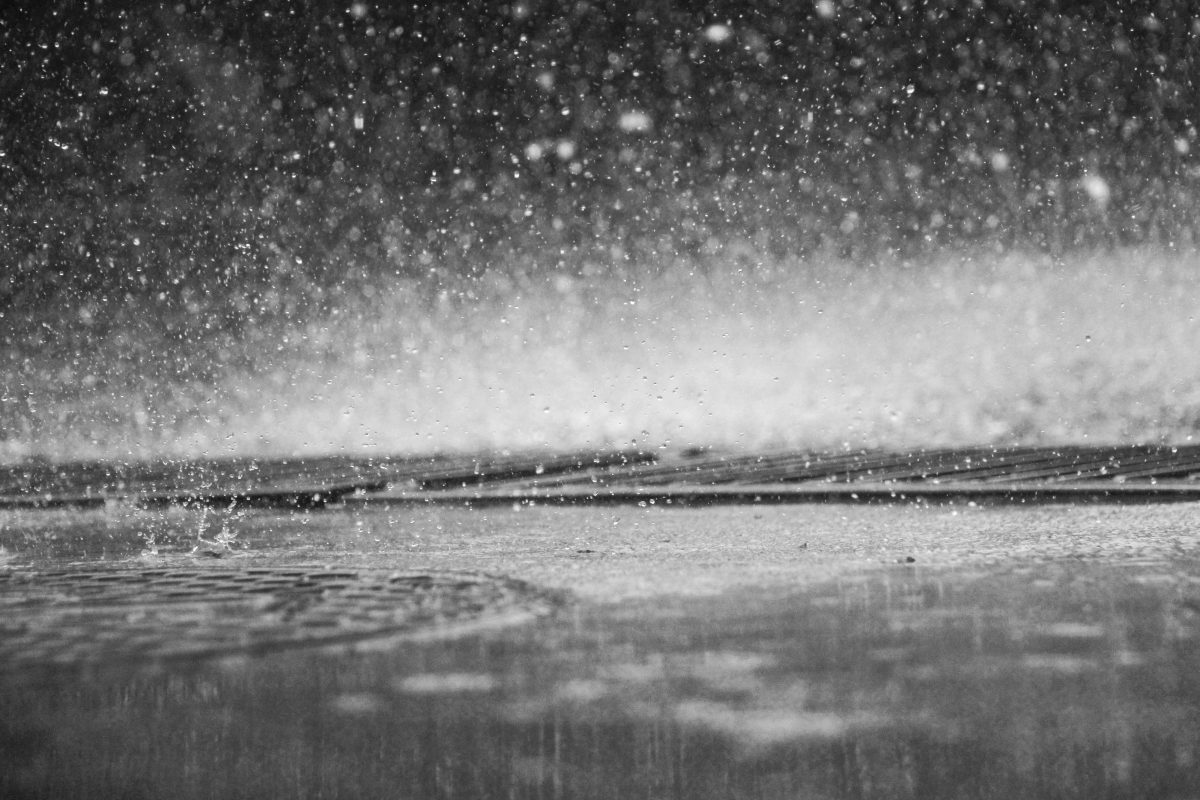
Green Shield ensures a consistently textured surface across the entire profile. Our team utilizes this process to enhance grip and provide a reliable, high-traction environment that stands up to heavy use and inclement weather.
Not all composite deck boards are made the same.
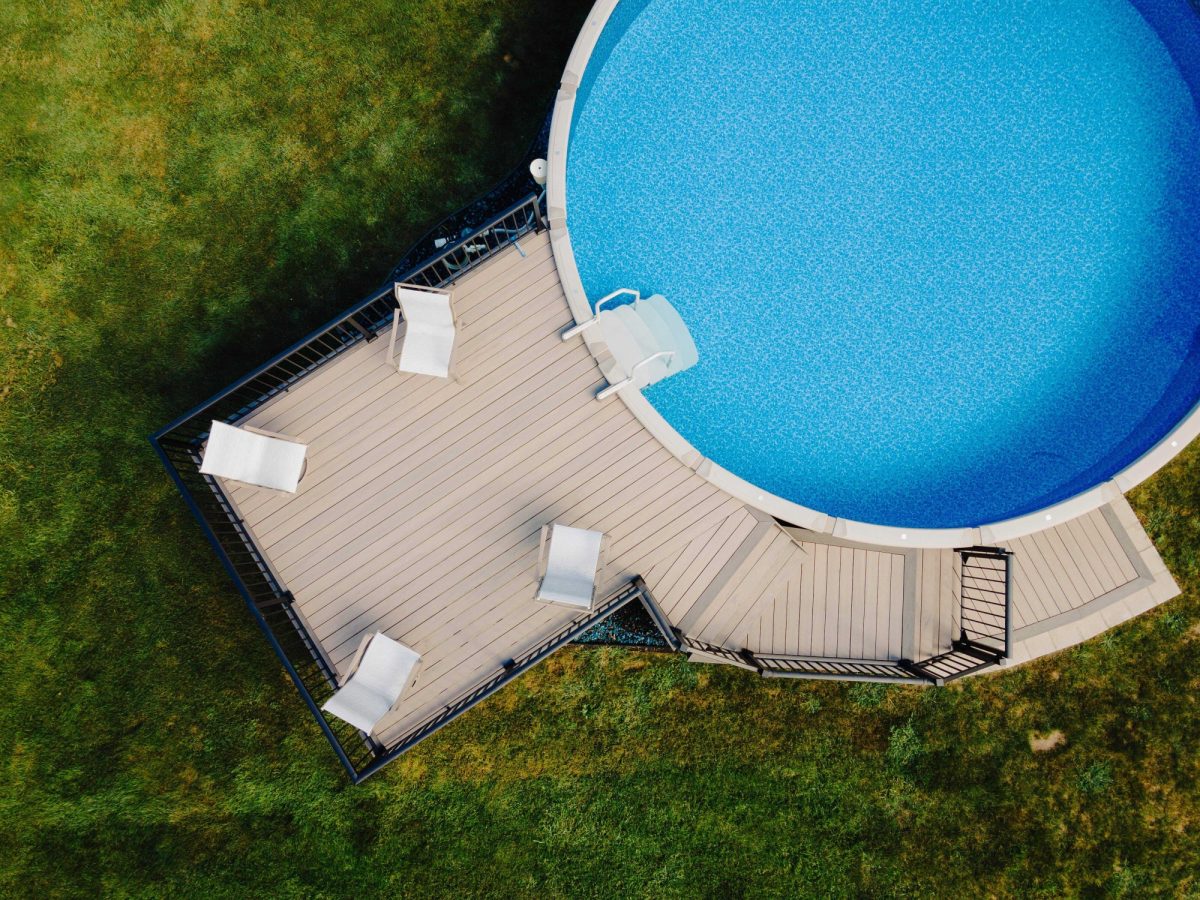
Adam Rought, CEO and Founder of Green Shield Deck Builders tours a pool deck.